Why More Implant Dentists Are Switching to CO₂ Laser Technology
Source: Dr. Marketing
Implant dentistry has evolved. Today’s implant patients expect precision, faster healing, and minimally invasive procedures. At the same time, clinicians are looking for greater surgical control, improved visibility, and workflow efficiency.
As a result, more implant-focused practices across the United States are integrating CO₂ laser technology into their surgical protocols.
If you’re currently placing implants — or expanding your implant services — understanding how CO₂ lasers enhance soft tissue management can significantly impact both clinical outcomes and profitability.
Precision Matters in Implant Dentistry
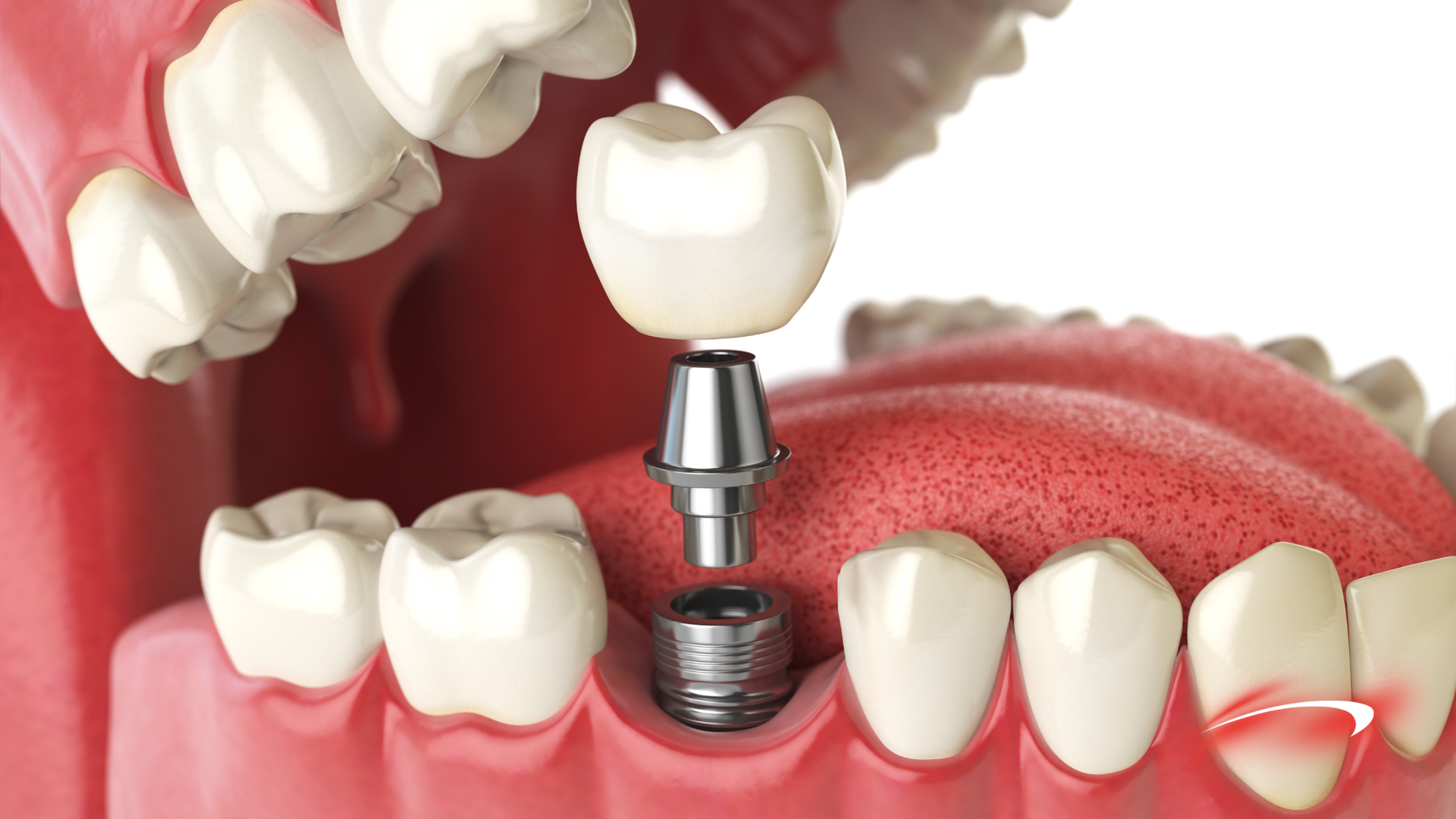
Implant procedures demand accuracy.
Whether you are performing second-stage uncovering, soft tissue contouring, or peri-implant management, the margin for error is small. Soft tissue architecture directly affects esthetics, long-term stability, and restorative success.
CO₂ lasers operate at a wavelength of 10,600 nm, which is highly absorbed by water. Since oral soft tissues contain high water content, this creates controlled surface ablation with minimal lateral thermal spread.
For implant dentists, this means:
- Clean, defined tissue margins
- Excellent surgical visibility
- Reduced bleeding during procedures
- Controlled depth of penetration
The ability to sculpt tissue precisely around implant sites improves both restorative accuracy and overall esthetic outcomes.
Implant Uncovering with Greater Control
Second-stage implant uncovering is one of the most common applications of CO₂ laser technology in implant practices.
Traditional scalpel techniques may require:
- Incisions with sutures
- Additional bleeding control
- Extended chair time
A CO₂ laser allows simultaneous incision and coagulation. The result is improved visibility during the procedure and often reduced need for suturing. Because CO₂ energy is absorbed superficially, clinicians gain controlled tissue removal without excessive subsurface heat transfer. In busy implant practices where efficiency matters, this streamlined approach can significantly enhance workflow.
Want to see how CO₂ lasers improve implant uncovering procedures? Call our team to learn more about clinical applications.
Improved Visibility During Surgery
One of the most immediate advantages implant dentists notice when switching to CO₂ laser systems is improved intraoperative visibility. The laser’s coagulative effect minimizes bleeding while maintaining a clear surgical field. This allows for more accurate assessment of:
- Implant positioning
- Tissue thickness
- Emergence profile preparation
Clear visualization reduces guesswork and supports refined surgical execution.
In complex implant cases — especially esthetic zone restorations — precision visibility can directly impact final results.
Soft Tissue Sculpting Around Restorations
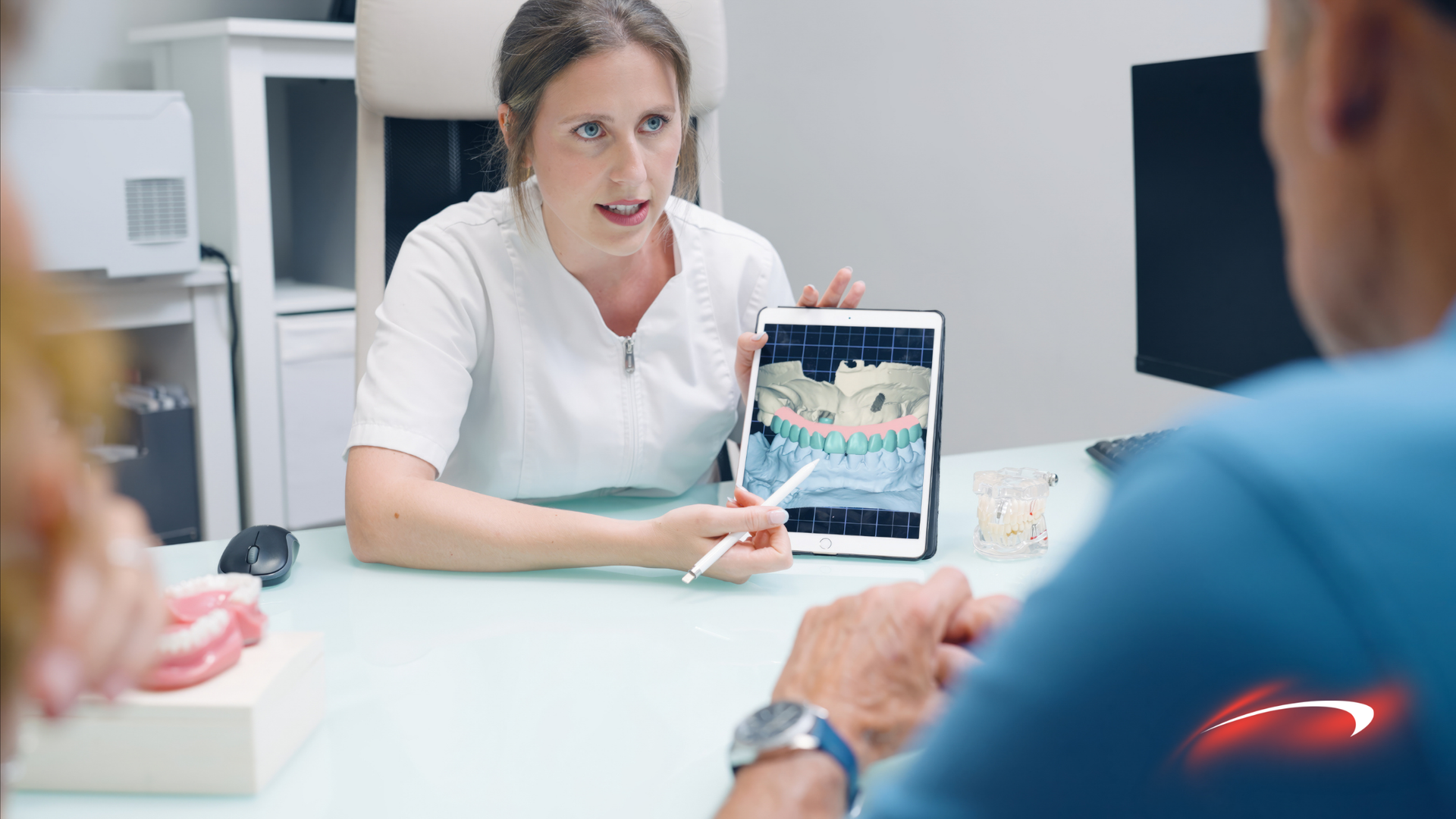
Beyond uncovering implants, CO₂ laser technology allows for controlled contouring of peri-implant tissue. Creating natural gingival architecture around crowns and abutments is critical for esthetic integration. Because CO₂ lasers provide controlled surface interaction, they allow clinicians to:
- Refine tissue contours
- Improve symmetry
- Enhance emergence profile development
- Reduce postoperative inflammation
The precision offered by CO₂ technology supports predictable soft tissue shaping without excessive trauma. For implant dentists focused on esthetic outcomes, this level of control is invaluable.
Reduced Post-Operative Complications
Thermal behavior matters in implant surgery. Excessive heat can compromise tissue health and affect healing. CO₂ lasers, due to their water absorption profile, limit deep tissue penetration when used appropriately.
This controlled interaction often results in:
- Predictable epithelial healing
- Reduced swelling
- Less postoperative discomfort
- Minimal collateral tissue impact
While diode lasers can also support soft tissue management, their deeper penetration characteristics require careful technique to avoid excessive thermal diffusion.
For clinicians seeking predictable healing patterns around implant sites, understanding laser-tissue physics is essential.
Efficiency in High-Volume Implant Practices
Implant-focused practices often operate at high production levels. Efficiency is directly tied to profitability. Integrating CO₂ laser systems into surgical protocols can help:
- Reduce procedural steps
- Minimize instrument changes
- Shorten chair time
- Improve patient flow
Technology that enhances precision while simplifying workflow provides both clinical and financial benefits. As implant case volume increases nationwide, more clinicians are looking for tools that support efficiency without compromising quality.
Supporting Immediate Implant Cases
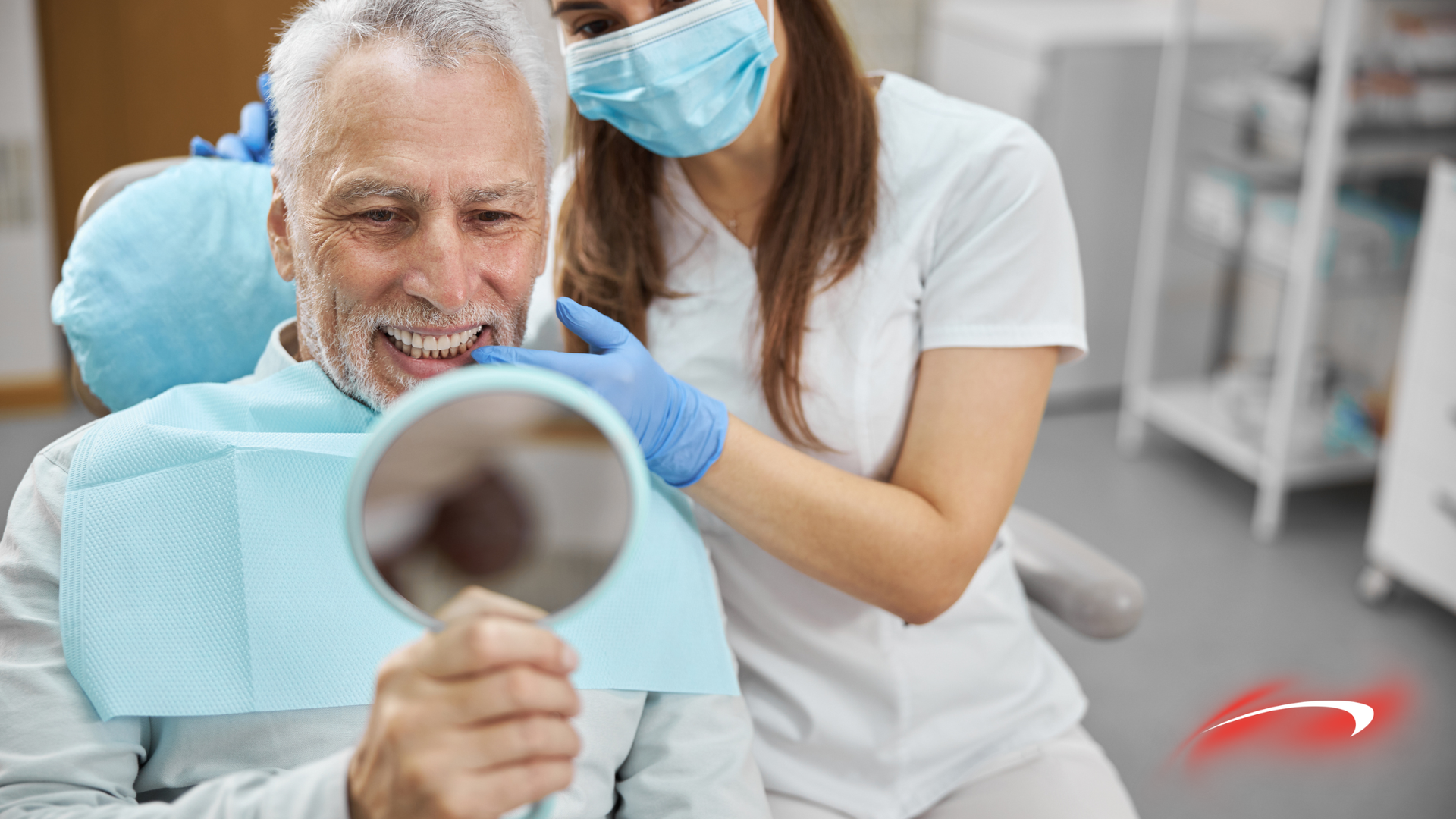
Immediate placement and immediate loading cases demand refined tissue handling.
CO₂ lasers offer controlled tissue modification without excessive mechanical manipulation. This can support tissue management in cases requiring careful preservation of soft tissue architecture. Maintaining healthy tissue around immediate implants contributes to long-term success and esthetic stability. The precision and superficial absorption characteristics of CO₂ technology align well with these clinical demands.
Long-Term Versatility Beyond Implants
Many implant dentists initially explore CO₂ laser systems for uncovering procedures — but quickly recognize their broader potential.
Beyond implant workflows, CO₂ systems can support:
- Frenectomies
- Periodontal soft tissue procedures
- Crown lengthening
- Airway-focused applications
- Advanced soft tissue sculpting
This versatility transforms the laser from a single-purpose tool into a long-term clinical platform. If your practice is expanding beyond traditional implant placement into comprehensive surgical dentistry, CO₂ technology provides scalable capability.
Education Drives Confidence
Successful integration of laser technology depends on proper training. Understanding:
- Energy settings
- Tissue interaction
- Safety protocols
- Procedural techniques
ensures predictable outcomes and rapid adoption. Implant dentists who invest in structured laser education often accelerate their return on investment by integrating the technology across multiple procedures.
Interested in expanding your clinical skillset? Learn more about our CO₂ laser dental training courses and upcoming programs.
Market Differentiation and Patient Perception
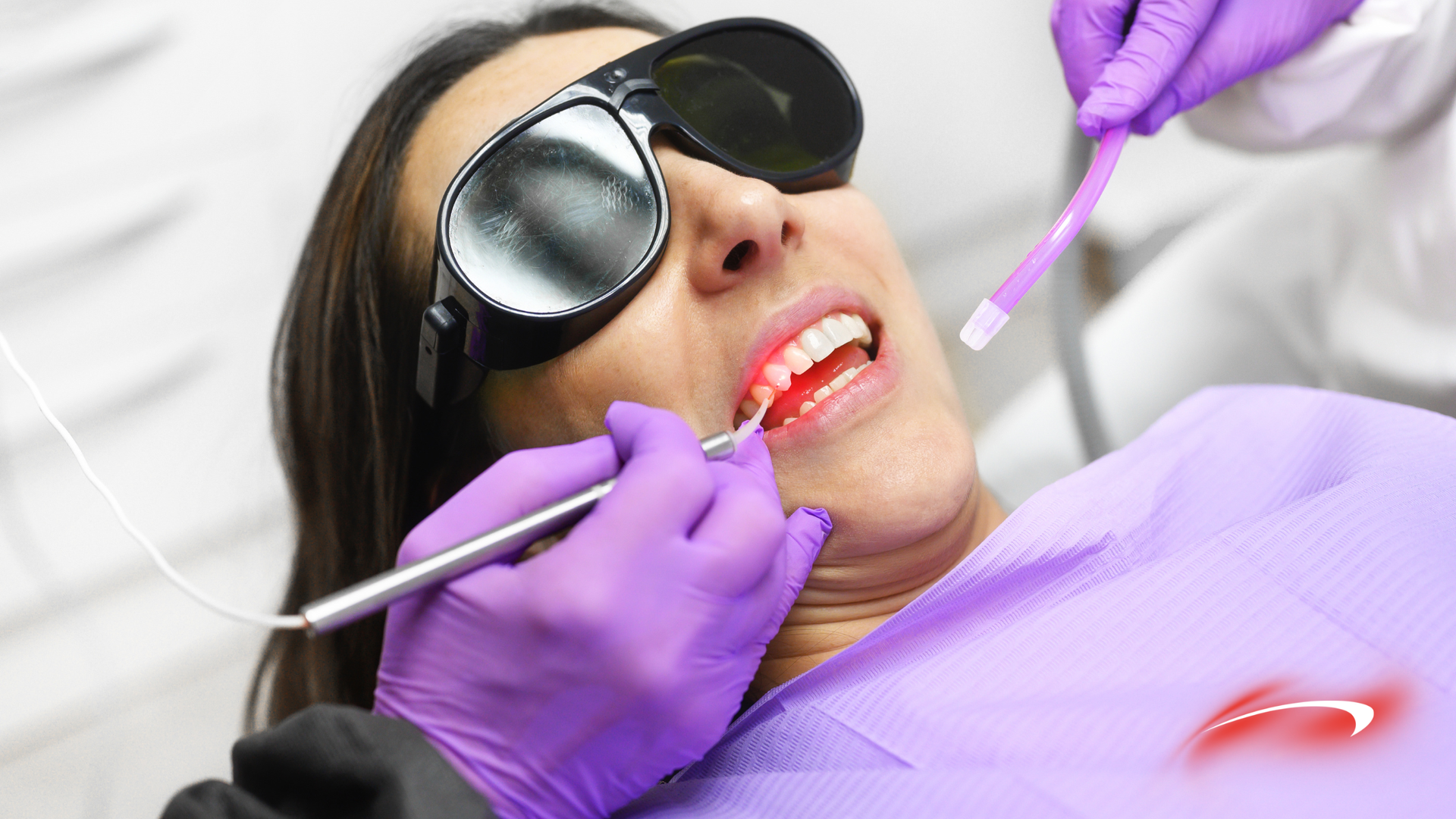
Patients increasingly associate advanced technology with higher standards of care. Marketing your practice as laser-equipped supports differentiation in competitive markets. Patients searching for:
- Laser implant uncovering
- Minimally invasive dental surgery
- Advanced soft tissue treatment
are more likely to choose practices that demonstrate technological leadership. For implant dentists looking to strengthen their brand authority, CO₂ laser integration supports both clinical and marketing positioning.
Is Switching to CO₂ Technology Right for You?
If your implant practice is:
- Growing in surgical volume
- Expanding into esthetic cases
- Focused on precision outcomes
- Seeking greater efficiency
- Looking to differentiate
CO₂ laser technology may be a strategic next step.
The decision should align with your clinical philosophy and long-term growth goals. Understanding the real performance differences between technologies ensures you invest wisely.
Final Thoughts
Implant dentistry continues to advance. Precision, efficiency, and patient-centered outcomes define modern surgical practice. CO₂ laser technology offers implant dentists:
- Controlled soft tissue interaction
- Improved surgical visibility
- Enhanced esthetic contouring
- Streamlined workflows
- Expanded clinical versatility
As more implant-focused practices across the United States adopt CO₂ systems, the shift is not driven by trend — it is driven by performance.
The right technology does more than assist surgery.
It strengthens outcomes, improves efficiency, and supports long-term growth.
If you are evaluating the next evolution of your implant practice, a deeper conversation about CO₂ laser integration may be the right place to start.
Recent Posts