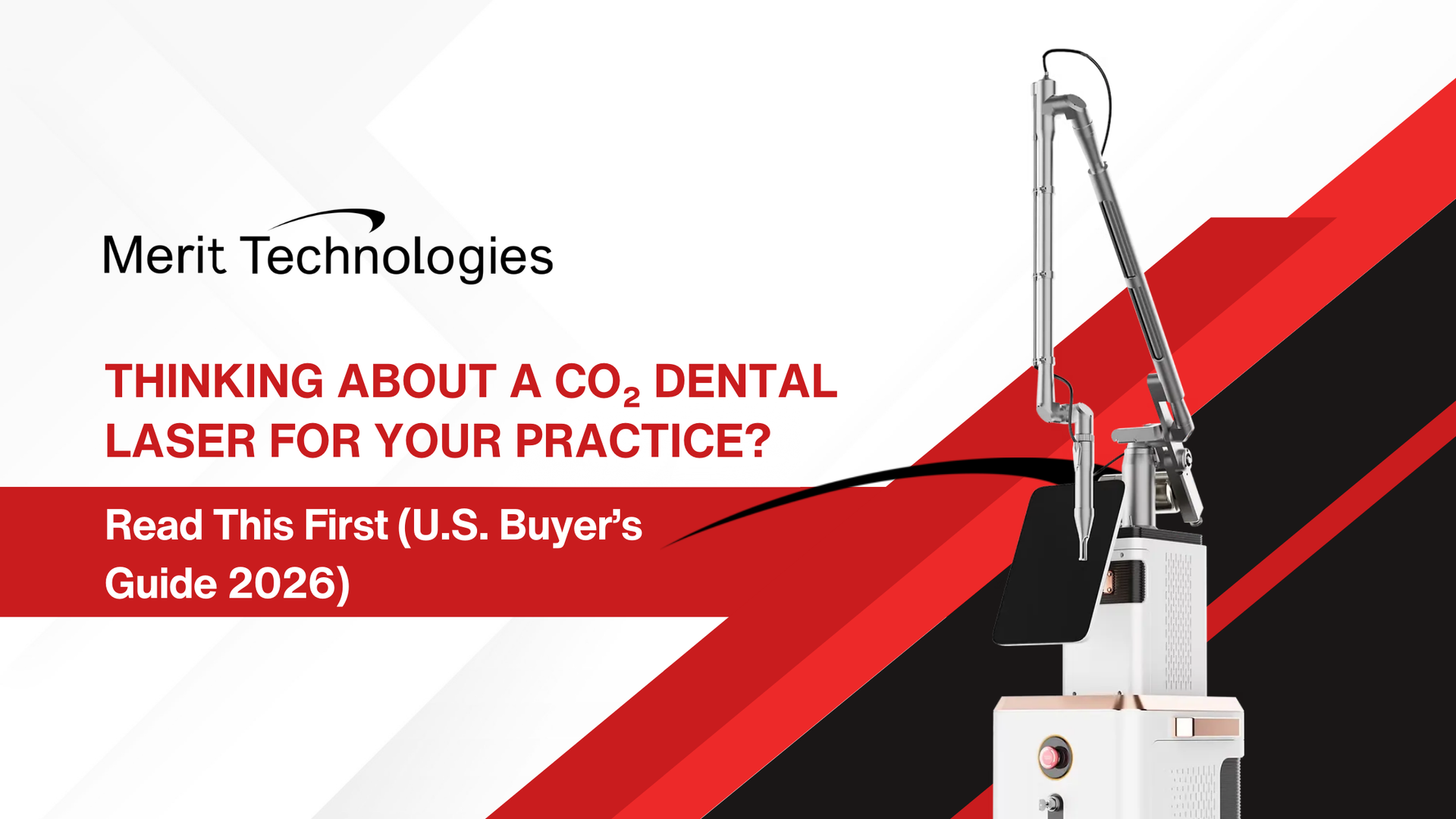



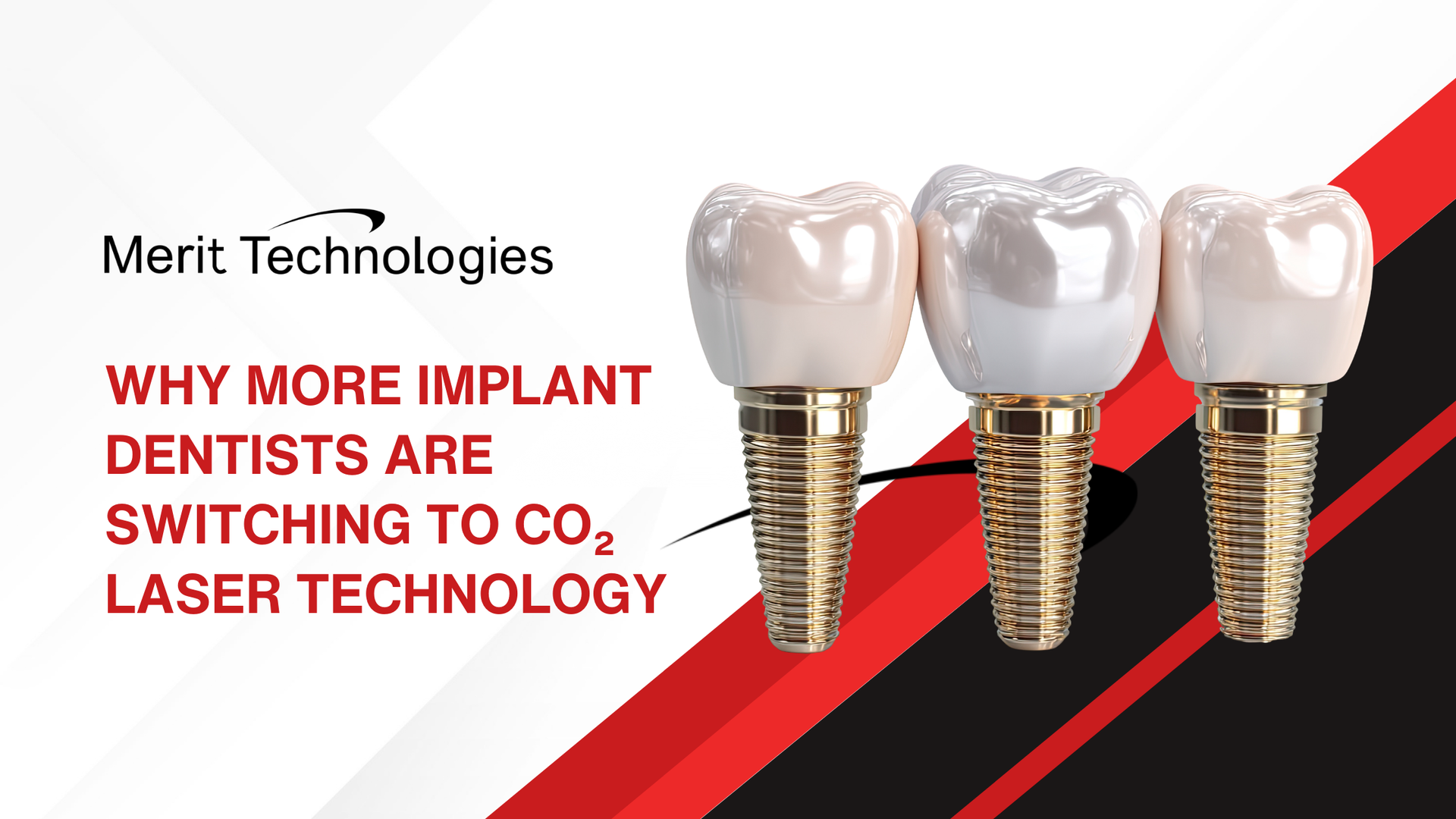
Thinking About a CO₂ Dental Laser for Your Practice? Read This First (U.S. Buyer’s Guide 2026)

Source: Dr. Marketing
The U.S. dental market is more competitive than ever.
Patients are more informed. Treatment expectations are higher. And technology is no longer optional — it’s a defining factor in how a practice is perceived. If you’ve been searching for a CO₂ dental laser for sale in the United States, you’re not just shopping for equipment. You’re evaluating the future direction of your practice.
In 2026, investing in a CO₂ laser isn’t about trend adoption. It’s about precision, positioning, efficiency, and long-term growth.
Before making that decision, here’s what you need to understand.
The Shift Toward CO₂ Laser Dentistry in the U.S.

Across states like Texas, California, Florida, and New York, dentists are expanding their services beyond traditional soft tissue procedures. CO₂ laser dentistry is being integrated into:
- Implant workflows
- Periodontal treatment
- Frenectomies
- Airway-focused procedures
- Soft tissue contouring
The driving force behind this growth is the 10,600 nm wavelength — a true CO₂ laser frequency that interacts optimally with water-rich oral tissues. This allows for precise ablation with simultaneous coagulation, meaning clinicians gain exceptional visibility and control during procedures.
The result? Cleaner margins, reduced bleeding, and more predictable healing.
Not All CO₂ Dental Lasers Are Equal
When evaluating a CO₂ dental laser for sale in the United States, it’s critical to look beyond surface-level marketing. True performance lies in engineering.
Super-pulsed technology, for example, allows energy to be delivered in controlled bursts rather than continuous waves. This reduces thermal damage and improves tissue response. In modern clinical environments, this level of control is essential. Similarly, fractional scanning capabilities are becoming increasingly important. Practices that are expanding into airway and sleep-related treatments require systems that allow controlled tissue remodeling — not just incision.
Before purchasing, ask yourself:
Does this system simply perform procedures — or does it expand what my practice can become?
Precision Is Non-Negotiable

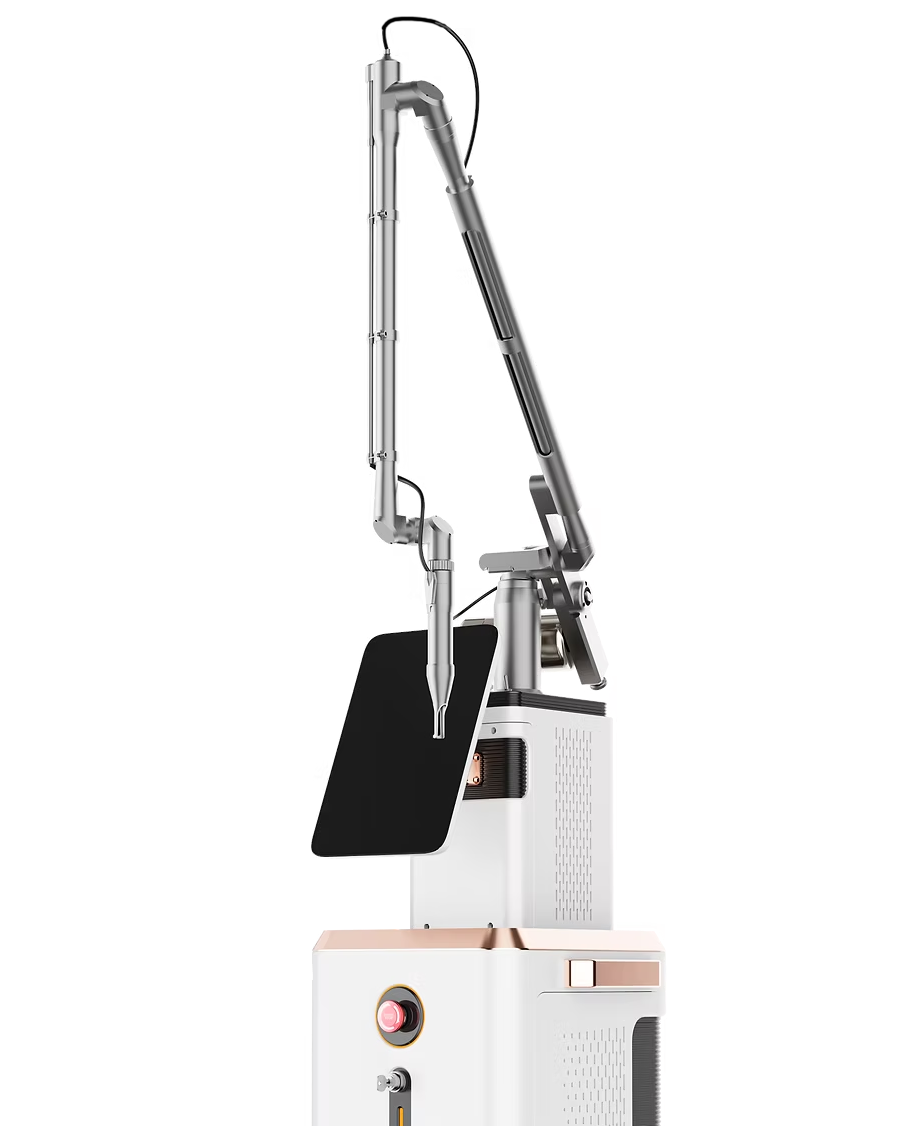
One often-overlooked feature when buying a CO₂ dental laser in the U.S. is beam delivery stability. An articulated arm system ensures consistent beam focus and positioning. That stability translates directly into surgical confidence. For implant uncovering, soft tissue sculpting, or delicate frenectomies, precision isn’t optional — it’s foundational.
Technology should enhance your hands, not challenge them.
Modern systems are designed to feel intuitive, allowing seamless integration into daily workflow without disrupting production schedules.
Workflow Matters More Than You Think
The most powerful technology in the world won’t help your practice if it slows you down.
A high-quality CO₂ laser system should integrate smoothly into your existing clinical rhythm. Preset protocols, intuitive interfaces, and easy parameter adjustments make adoption faster and more predictable. In busy U.S. practices where efficiency equals revenue, simplicity becomes a competitive advantage. This is where many dentists see unexpected benefits — procedures that once required multiple instruments, sutures, and extended chair time can often be streamlined.
Understanding the Real Cost of Ownership

The smarter question is: What is the total cost of ownership?
Maintenance, consumables, durability, and service access all affect long-term profitability. Systems built for longevity and minimal recurring expense create far greater value over time. Low operating costs combined with expanded procedural capability can dramatically shift your revenue mix.
Education Determines Success

Even the most advanced laser system is only as effective as the clinician using it. Comprehensive training and structured support are critical components of a successful investment. The best laser providers in the United States offer education that covers safety protocols, tissue interaction science, and real-world case integration.
This isn’t just about compliance — it’s about confidence.
When teams feel supported, adoption accelerates.
Why ROI in 2026 Looks Different
The dental economy has shifted. Patients are searching online for:
- Laser frenectomy near me
- Laser gum surgery
- Sleep apnea laser dentist
- Advanced soft tissue dentistry
Owning a CO₂ laser in today’s U.S. market is not just a clinical tool — it’s a marketing differentiator.
Practices that invest in advanced technology often see:
- Increased case acceptance
- Higher perceived value
- Expanded service offerings
- Stronger digital positioning
Here’s where ROI typically shows up:
- New procedure revenue streams
- Improved surgical efficiency
- Reduced postoperative complications
- Elevated brand authority
The Competitive Edge of Modern Laser Dentistry

In saturated metro markets — from Los Angeles to Chicago to Atlanta — differentiation matters. Technology speaks before you do.
Patients associate advanced equipment with higher standards of care. Referring providers recognize surgical precision. And your team operates with greater confidence.
In 2026, the question isn’t whether CO₂ laser dentistry will grow in the United States. It already is.
The real question is whether your practice will lead — or follow.
Making the Right Decision
Before purchasing, take a step back and evaluate your long-term vision:
- Are you expanding into airway dentistry?
- Are you increasing implant case volume?
- Are you aiming to elevate your surgical precision?
- Are you building a technology-forward brand?
A CO₂ dental laser should align with those goals — not simply add another device to your operatory.
The Bottom Line
If you’re researching a CO₂ dental laser for sale in the United States, 2026 presents a powerful opportunity. Technology has matured. Training is accessible. Patient demand is rising.
The right system will help you:
- Deliver more precise care
- Improve procedural efficiency
- Expand revenue opportunities
- Position your practice as modern and advanced
But success depends on choosing a platform designed for performance, growth, and long-term reliability.
The decision you make today can influence your clinical outcomes — and your competitive position — for years to come.
Recent PostsEmpty headinEmpty heading